
The Influence of Diet on Facial Treatment Results: Connections between Nutrition and Beauty
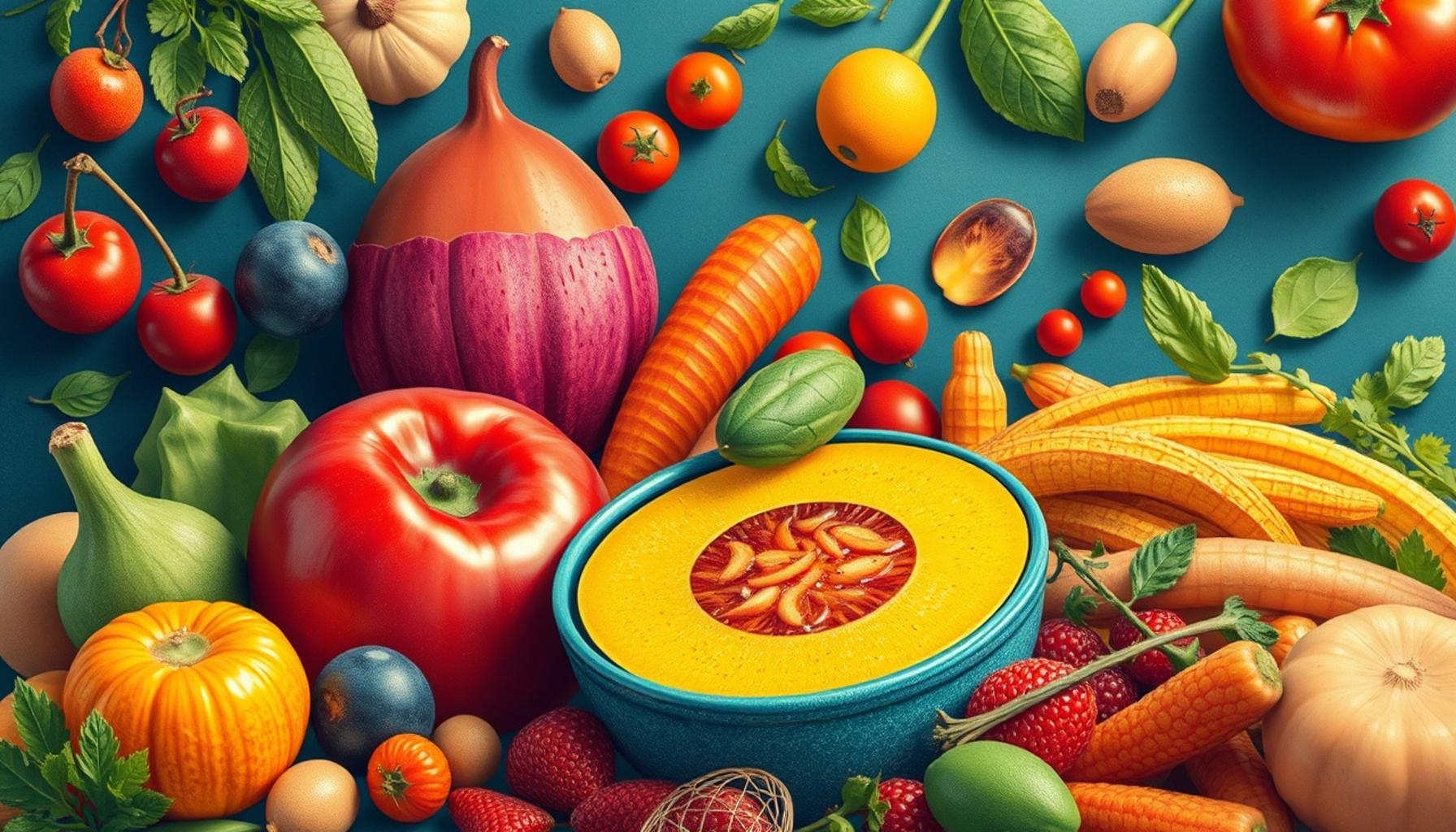
The Role of Nutrition in Skin Health
The intricate relationship between diet and skin health merits a closer examination, particularly concerning the efficacy of facial treatments. When it comes to achieving radiant skin, the foods we consume can act as formidable allies or detractors. By delving into the science of nutrition and its direct impacts on skin, individuals can optimize their beauty routines and empower themselves towards healthier, more resilient skin.
Every skin cell craves a myriad of essential nutrients to thrive. Nutrients such as vitamins A, C, and E, along with zinc and selenium, play pivotal roles in skin rejuvenation. For instance, vitamin C is crucial for collagen synthesis, which helps maintain skin firmness and elasticity. Incorporating foods such as citrus fruits, strawberries, and bell peppers into one’s diet can significantly boost vitamin intake, positively influencing the skin’s appearance.
Beyond nutrients, hydration is a cornerstone of skin health. Adequate fluid intake not only promotes elasticity but also aids in flushing out toxins and skin-dulling impurities. Aiming for eight glasses of water daily, while also consuming water-rich foods like cucumbers and watermelon, can drastically improve skin moisture levels, reducing the likelihood of dryness or dullness.
Additionally, antioxidants are crucial defenders against oxidative stress, which is one of the prime culprits behind premature aging. Foods like blueberries, kale, and dark chocolate are rich in antioxidants, which can help protect skin cells from damage caused by free radicals. Research suggests that diets high in these foods can enhance skin healing and may even accelerate recovery from facial treatments such as chemical peels or microdermabrasion.
Real-world evidence supports these claims; many people have reported transformative changes in their skin’s tone, texture, and vitality after altering their diets. For example, a Mediterranean diet—characterized by high levels of omega-3 fatty acids from fish and nuts, along with a bounty of fruits and vegetables—has been linked to lower instances of skin conditions such as acne and eczema.
As you embark on the journey to uncover more about the intricate links between your plate and your skin, consider the powerful saying, “you are what you eat.” The goal is not just to achieve temporary enhancement through treatments but rather to foster holistic skin health through informed dietary choices.
In the forthcoming sections, we will delve deeper into specific foods that can optimize the results of facial treatments. From superfoods that promote collagen production to tips on how to enhance post-treatment skin recovery, this exploration will provide invaluable insights that could ultimately transform your approach to beauty.
Essential Nutrients for Radiant Skin
When exploring the synergies between diet and skin health, it is crucial to pinpoint the essential nutrients that can maximize the effectiveness of facial treatments. A well-rounded diet contributes not only to overall health but also plays a significant role in achieving the skin’s ideal condition, setting the stage for optimal treatment outcomes.
One of the primary culprits in maintaining healthy, vibrant skin is vitamin A. As a powerful antioxidant, vitamin A promotes cellular turnover, ensuring that old, dead skin cells are shed, paving the way for fresh, new skin. Foods rich in this vitamin, such as carrots, sweet potatoes, and dark leafy greens, can enhance the efficacy of treatments like facials and chemical peels, allowing the skin to recover more efficiently. High-beta carotene foods, in particular, are celebrated for their ability to improve skin texture and provide a radiant glow.
Omega-3 fatty acids are another essential component of a skin-friendly diet, known for their anti-inflammatory properties. These healthy fats help maintain the skin’s lipid barrier, promoting hydration and reducing redness. Incorporating sources like salmon, walnuts, and flaxseeds into your meals may boost the skin’s resilience to external aggressors and prepare it to accept various facial treatments, smoothing out any adverse reactions.
Key Nutrients and Their Impact on Facial Treatments
To further illustrate the point, here is a concise list of crucial nutrients and their associated benefits for skin health and facial treatments:
- Vitamin C: Crucial for collagen synthesis, aiding in skin firmness and the healing process post-treatment.
- Zinc: Supports skin repair and inhibits inflammation, making it easier for the skin to recover after invasive procedures.
- Selenium: Offers protection against oxidative stress and enhances skin elasticity, particularly beneficial after sun exposure.
- B vitamins: Promote overall skin health and stability; B12, specifically, can ward off redness and irritation.
Moreover, the inclusion of probiotics in the diet has been gaining attention in skincare conversations. Found in fermented foods like yogurt and sauerkraut, probiotics can help restore the skin’s microbiome balance, bolstering its natural defenses. This balance can significantly improve how the skin reacts to treatments, facilitating a quicker recovery and enhanced results.
Through these dietary elements, it becomes clear that a holistic approach towards skin health—a diet rich in vitamins and minerals—supports the body’s biological needs, ultimately influencing the success of facial treatments. As you consider the next steps in your beauty regimen, remember that nourishing your body may be just as crucial as the topical solutions you apply.
In the next section, we will explore specific superfoods that can amplify the benefits of various facial treatments, guiding you to make more informed dietary choices that align with your beauty goals.
The Impact of Nutrient-Rich Foods on Skin Health
The influence of diet on facial treatment outcomes cannot be overstated. Research indicates that a diet rich in vitamins, minerals, and antioxidants directly affects the skin’s ability to heal and rejuvenate. Foods high in essential nutrients promote collagen production, which is crucial for maintaining skin elasticity and firmness. For instance, vitamin C found in citrus fruits and leafy greens plays a vital role in collagen synthesis.Another key aspect is hydration. Consuming adequate water and foods with high water content, like cucumbers and watermelon, significantly aids in maintaining skin moisture levels. Dehydrated skin can hinder the effectiveness of various facial treatments. Moreover, healthy fats, such as omega-3 fatty acids found in fish, nuts, and seeds, help to repair the skin barrier, fostering a smooth complexion free of blemishes.
Examples of Beneficial Dietary Choices
Incorporating specific dietary choices can amplify the effects of facial treatments. For instance, berries, loaded with antioxidants, combat oxidative stress and enhance the skin’s resilience against environmental damage. Moreover, green tea, known for its high polyphenol content, has anti-inflammatory properties that can minimize redness and irritation after treatments.Equally important is the elimination of processed foods and excessive sugars, which can lead to inflammation and breakouts. By replacing these with whole foods, one can ensure the skin receives optimal nutrition, enhancing overall treatment efficacy.These connections between nutrition and beauty suggest that adopting a balanced diet is essential not only for general health but also for achieving the best possible outcomes in facial treatments. With ongoing research in the field, the relationship between diet and skin health will likely reveal even more exciting insights to enhance beauty from within.
| Nutrient Category | Benefits for Facial Treatments |
|---|---|
| Vitamins (C, E) | Enhance collagen production and protect against oxidative stress. |
| Healthy Fats (Omega-3) | Support skin barrier repair and hydration, improving treatment results. |
In summary, understanding the deep-rooted connections between what we eat and how our skin responds to treatments can lead to more informed decisions on nutrition, ultimately enhancing beauty outcomes. Adjusting dietary habits not only contributes to our wellbeing but can also significantly transform our skin’s appearance.
Superfoods to Boost Facial Treatment Efficacy
As we delve deeper into the intersection of nutrition and beauty, it becomes evident that certain foods stand out as superfoods, offering concentrated benefits for skin health and amplifying the results of facial treatments. Incorporating these nutrient-dense foods into your diet can enhance your skin’s appearance and resilience, ensuring that you get the most from your skincare routine.
One such superfood is avocado. Rich in monounsaturated fats, avocados help maintain skin hydration and elasticity, preparing the skin to better absorb treatments like hydration facials or serums. Their high vitamin E content provides protection against oxidative damage, making them a fantastic option for those looking to maximize the impact of anti-aging treatments.
Moving on to berries, these small fruits are packed with antioxidants, particularly vitamin C and phytochemicals, which protect the skin from environmental stressors and promote collagen production. Whether you’re enjoying blueberries, strawberries, or raspberries, these fruits can enhance the healing process following facial treatments, promoting a more radiant appearance. The incorporation of berries into your diet not only delights the palate, but also serves as a delicious way to support skin rejuvenation.
The Power of Green Tea and Bone Broth
Another powerhouse addition is green tea. This beverage is rich in polyphenols, which are known for their anti-inflammatory properties. Drinking green tea can improve blood circulation, thus enhancing nutrient delivery to the skin. Moreover, its potential to reduce the appearance of redness or puffiness makes it an excellent accompaniment to facial treatments, setting the stage for a smoother, revitalized complexion.
On the other hand, bone broth has emerged as a trending superfood thanks to its high collagen and gelatin content. Consuming bone broth may improve skin elasticity and hydration levels, actively supporting the skin’s structure and vitality. This nutrient can be especially beneficial following treatments that aim to boost collagen, such as microneedling or laser therapies, by providing the necessary building blocks for rejuvenated skin.
Hydration: The Unsung Hero of Skin Health
While specific foods certainly play a vital role, one cannot overlook the importance of hydration. Water is the foundation of healthy skin, influencing everything from moisture levels to the skin’s overall elasticity. A well-hydrated body aids in the efficient transportation of nutrients necessary for skin repair and glow. Thus, maintaining adequate hydration through water intake and hydrating foods like cucumbers and watermelon reinforces the skin’s ability to respond positively to treatments.
In addition, you should consider incorporating foods high in zinc, such as pumpkin seeds and lentils, into your diet. These nutrient-rich options can expedite the recovery process post-treatment by reducing inflammation and supporting skin repair mechanisms.
Ultimately, focusing on these superfoods and hydration can lead to significant improvements in the outcome of facial treatments. As you make conscious decisions about your diet, remember that the synergy created between nutrition and skin health can have lasting effects, allowing you to achieve not only immediate benefits but also long-term results in your pursuit of beauty.
Conclusion: Unlocking the Beauty Within through Nutrition
In summary, the complex relationship between nutrition and beauty unveils an exciting frontier for enhancing the effectiveness of facial treatments. As we’ve explored, a well-balanced diet rich in superfoods not only improves skin health but significantly amplifies the results of skincare rituals and facial therapies. By integrating nutrient-dense foods such as avocados, berries, green tea, and bone broth, individuals can actively contribute to their skin’s resilience, hydration, and overall vitality.
Moreover, it is essential to recognize the importance of hydration in conjunction with nutritional intake—both factors work in harmony to optimize the skin’s ability to respond to treatments. This symbiosis not only fosters immediate improvements but also supports long-term health and radiance, making it clear that what we consume directly influences how we feel and appear. Just as we curate our facial treatments to target specific concerns, our dietary choices should reflect the same intentionality and purpose.
As more individuals seek to enhance their beauty regimen through holistic approaches, the dialogue between diet and skincare will become increasingly relevant. By prioritizing nutritional wellness alongside aesthetic treatments, we empower ourselves to achieve a harmonious balance between our inner health and outer beauty. As you consider your next skincare steps, remember that the real glow often starts from within—the journey to enhanced beauty is not just skin-deep.

Beatriz
Beatriz Johnson is a seasoned skincare specialist and writer with a passion for simplifying the complexities of beauty science and skincare routines. With over a decade of experience in the aesthetics industry, she specializes in topics like ingredient efficacy, anti-aging strategies, and global beauty trends. Through her work, Beatriz empowers readers to make informed skincare choices and stay ahead in the ever-evolving world of beauty and wellness.