
How Mental Health Affects Appearance and Skin Aging
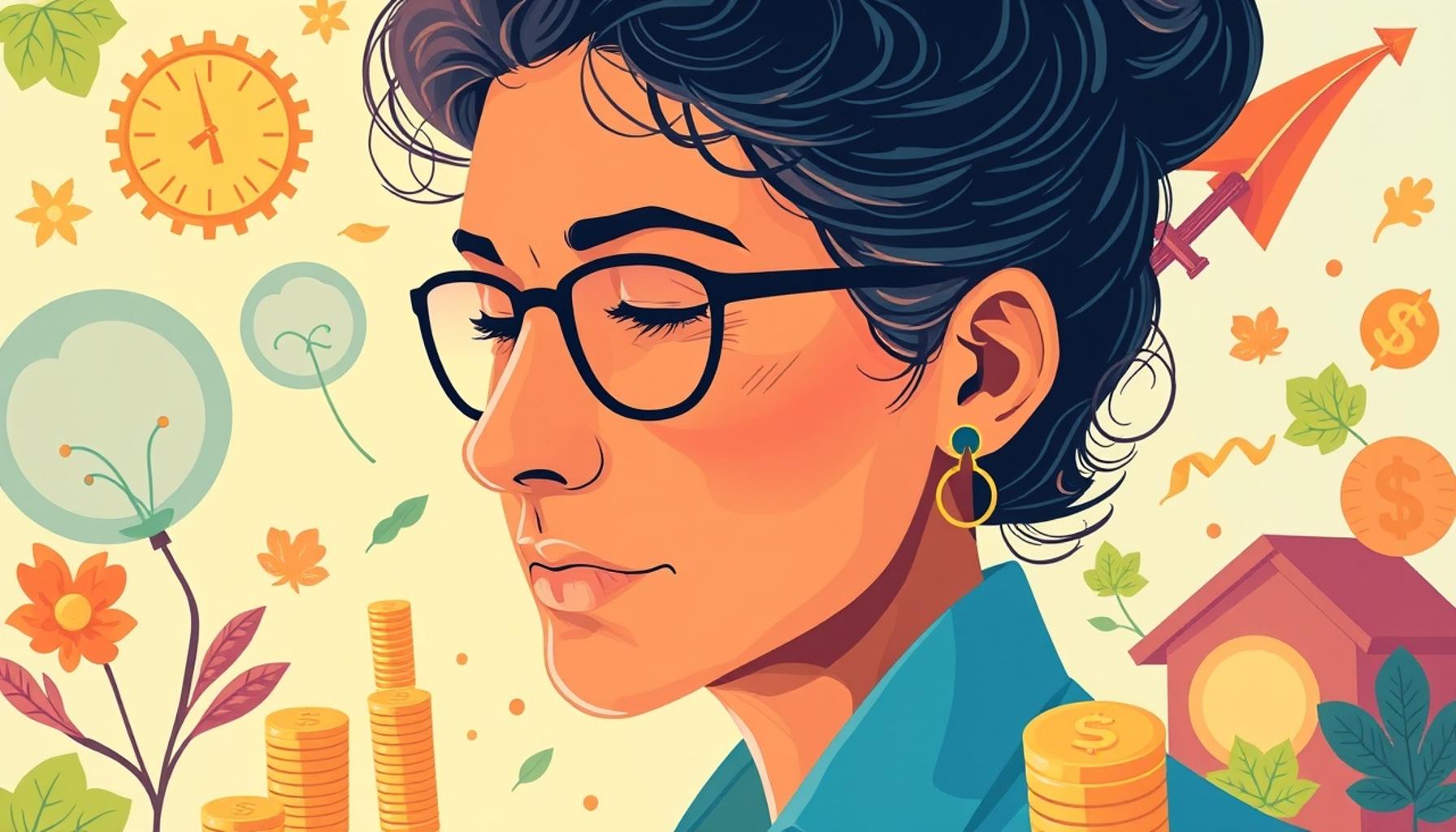
Understanding the Connection Between Mental Health and Skin Aging
The relationship between our mental state and physical appearance is intricate and often underestimated. A growing body of research illustrates how mental health significantly influences skin conditions and aging processes. When we consider factors that affect how we look, it’s essential to acknowledge the psychological aspects that contribute to our overall skin health and vitality.
Stress Levels play a crucial role in this connection. Chronic stress leads to heightened levels of cortisol, a hormone that can wreak havoc on skin health. Prolonged exposure to elevated cortisol can impair skin elasticity, leading to premature wrinkles and sagging. In addition to aging, stress can exacerbate conditions such as acne and rosacea. For instance, a busy work life or personal challenges can trigger breakouts, demonstrating how our mental landscape can manifest visibly.
- Anxiety and Depression: These mental health issues are known to have dermatological correlations. Studies have shown that individuals suffering from anxiety may experience skin problems such as eczema, which manifests as red, itchy patches, or psoriasis, characterized by scaly patches. During stressful periods, the immune system can become compromised, leading to flare-ups of these skin conditions.
- Lifestyle Choices: Mental health disorders can lead to neglect of self-care routines. When facing depression, an individual may not prioritize skincare or healthy diet choices. This neglect can lead to a cycle of worsening skin issues. Moreover, habits like smoking and excessive alcohol consumption often serve as coping mechanisms, further adversely affecting skin health.
The skin often serves as a mirror of emotional health. People dealing with untreated mental health issues frequently display signs of compromised skin vitality, from dullness to increased sensitivity. This observation underscores the importance of holistic approaches to healthcare, which integrate emotional and physical well-being. Recognizing and treating mental health issues not only enhances emotional resilience but simultaneously contributes to radiant skin.
In seeking youthful skin, it’s vital to grasp that mental well-being is as crucial as physical skincare. Embracing this connection empowers individuals to develop healthier habits that benefit both the mind and skin. For example, incorporating practices such as mindfulness, yoga, and proper nutrition can help manage stress levels and improve one’s outlook, ultimately reflecting positively in skin health.
The Path Forward
Exploring the link between mental health and skin aging reveals a pathway to more comprehensive beauty solutions. Professionals in both dermatology and psychology can work together to foster environments where treatment is holistic. By developing effective skincare practices alongside mental health interventions, individuals can experience a more harmonious balance in their overall health, leading to improved skin and a more fulfilling life.
In conclusion, acknowledging the interplay between our mental well-being and skin health encourages proactive measures. Keep this connection in mind as you navigate both your skincare journey and mental wellness, paving the way for a brighter and healthier future.
The Impact of Stress on Skin Health
The effects of stress on skin aging are both profound and complex. When an individual is under chronic stress, the body enters a state of heightened alertness, producing stress hormones such as cortisol. While this reaction is beneficial in the short term, prolonged exposure can lead to detrimental effects on skin health. Elevated cortisol levels can result in decreased skin hydration, thinning of the dermis, and an increase in the appearance of fine lines and wrinkles. Furthermore, stress is known to impair the skin’s barrier function, making it more susceptible to environmental damage.
Moreover, conditions such as stress-induced acne become more prevalent. The hormonal imbalances caused by stress can lead to increased oil production in the skin, potentially clogging pores and leading to breakouts. This cycle not only contributes to early signs of aging but can also affect self-esteem, creating a feedback loop that further aggravates mental health issues.
Understanding Anxiety and Its Dermatological Effects
Anxiety, a condition that affects millions of Americans, can manifest in various ways on the skin. For instance, those struggling with anxiety may experience conditions like eczema or psoriasis, which are exacerbated by emotional strain. These skin conditions often become inflamed when a person is feeling anxious, leading to redness, irritation, and further distress regarding one’s appearance. This can be particularly concerning for individuals who equate their skin’s condition with their overall self-worth, thereby intensifying feelings of anxiety and creating a vicious cycle.
- Psycho-dermatological Feedback Loop: The interrelation between emotional state and skin condition can lead to a feedback loop, where anxiety about appearance worsens skin issues, which in turn amplifies anxiety.
- Physical Symptoms: Physical manifestations of anxiety can include facial tension and jaw clenching, often resulting in premature wrinkles around the mouth and eyes.
- Skin Sensitivity: Increased levels of anxiety can lead to heightened skin sensitivity, making certain individuals more prone to irritation from skincare products that were previously tolerated.
Thus, understanding how anxiety plays a direct role in altering the skin’s condition underscores the importance of addressing one’s mental health as part of an effective skincare routine. As many dermatologists emphasize, successful treatment of skin issues necessitates an integrated approach that considers both physical and psychological well-being.
By recognizing the powerful connection between stress, anxiety, and skin aging, individuals can take actionable steps to mitigate these effects. This might involve incorporating stress-reduction techniques such as meditation or yoga into their daily routines. Such practices not only promote psychological resilience but also foster healthier skin—a testament to the adage that beauty indeed begins within.
Exploring the Connection Between Mental Health and Skin Aging
The relationship between mental health and physical appearance, particularly concerning skin aging, is a complex and often underappreciated aspect of wellness. Understanding how psychological factors contribute to dermatological concerns can significantly impact both treatment and prevention strategies. Chronic stress, depression, and anxiety not only affect mental well-being but also lead to physiological changes in the body that can manifest as signs of aging. For instance, prolonged stress triggers the body to release cortisol, a hormone that can compromise the skin’s elasticity and hydration levels. Studies have shown that individuals experiencing high-stress levels are more likely to develop wrinkles and other skin imperfections due to the breakdown of collagen and elastin fibers.Moreover, mental health issues can lead to lifestyle changes that further exacerbate skin aging. When individuals are struggling with their mental health, they may neglect proper skincare routines or adopt unhealthy habits like smoking or poor nutrition. These behaviors can accelerate the aging process, creating a cycle that is difficult to break.The psychological impact of skin aging can also lead to social withdrawal and low self-esteem, further worsening one’s mental health. Individuals with visible signs of aging often feel less confident, which can lead to increased anxiety and affect their interactions with others. It is vital to recognize this cycle to promote comprehensive health strategies that address both mental and physical well-being.In light of these connections, healthcare providers are increasingly advocating for an integrated approach that includes both dermatological treatments and mental health support. By recognizing and treating the psychological factors influencing skin health, individuals can achieve more satisfactory aesthetic outcomes while enhancing their overall emotional resilience.
| Category | Advantages |
|---|---|
| Improved Self-Esteem | Addressing mental health can lead to better self-image, reducing the appearance of stress-related imperfections. |
| Holistic Treatments | Integrating therapy with skincare regimens can yield more profound long-term benefits. |
Incorporating these advantages into treatment plans can facilitate a wider understanding of how mental health influences physical appearance and skin aging. This understanding opens new avenues for skincare and psychological support, encouraging individuals to prioritize both their mental and physical health.
Depression and Its Physical Manifestations
The relationship between depression and skin health can be just as significant as that between stress and anxiety. Individuals experiencing depression often find themselves caught in a cycle of neglect, leading to poor self-care and detrimental habits that affect skin appearance. For example, those struggling with depression may not prioritize skincare routines, leading to a lack of moisture retention and an increase in skin dullness.
Moreover, depression is frequently associated with changes in diet and appetite. Many individuals may experience nutritional deficiencies due to reduced intake of fruits, vegetables, and essential vitamins that are vital for skin health. Deficiencies in vitamins A, C, and E, along with omega-3 fatty acids, can lead to skin that appears aged, dry, or inflamed. As a result, skin may lose its luminosity, becoming more prone to developing signs of aging such as deep wrinkles and age spots.
The Role of Sleep in Skin Rejuvenation
Another critical factor in the connection between mental health and skin aging is sleep quality—commonly disrupted in individuals struggling with mental health issues such as depression. Poor sleep can lead to an increase in inflammation in the body, which manifests visibly in the skin as puffiness, dark circles, and a sallow complexion. During sleep, the body enters a phase of cellular repair, which is crucial for maintaining a youthful appearance. However, when sleep is repeatedly short or of low quality, this natural rejuvenation process is hindered, prematurely aging the skin.
- Skin Repair Mechanisms: The body produces more growth hormones during sleep, essential for skin repair and regeneration. Inadequate sleep can impair these vital processes.
- Increased Cortisol Levels: Lack of sleep can elevate cortisol levels, similar to chronic stress, contributing further to skin health decline.
- Impact on Skin Conditions: Conditions such as acne and eczema may worsen with sleep deprivation, resulting in skin that is not only less radiant but also more prone to breakouts and irritation.
Research has shown that improving sleep hygiene among those with mental health struggles can lead to enhanced skin health and appearance. Simple adjustments, such as creating a calming bedtime routine and limiting screen time, can significantly alter both mental well-being and, by extension, skin integrity.
The Connection to Self-Perception and Social Interactions
The ramifications of mental health on physical appearance go beyond just skin-related issues; they also pertain to how individuals perceive themselves and interact socially. Negative self-image stemming from skin conditions exacerbated by mental health problems can lead to social withdrawal and increased feelings of isolation. This is particularly prominent in younger populations who may feel pressured to meet societal beauty standards, thus complicating their mental health even further. The pressure to maintain an ideal appearance can lead to avoidance of social situations, creating a feedback loop that continuously affects one’s mental state.
As evidenced by numerous studies, improving one’s self-esteem can improve not just mental health but also skin health. Individuals who engage in social support systems or seek therapy often find relief not only in their mind but in their appearance as well. The transformative power of positive mental health cannot be overstated—it provides the motivation needed to adopt effective skincare practices contributing to healthier aging skin.
Conclusion: The Interconnectedness of Mental Health and Skin Aging
The intricate link between mental health and skin aging underscores a profound understanding of human wellness. As highlighted throughout this article, factors such as depression, compromised sleep, and negative self-perception not only influence emotional well-being but also significantly alter physical appearance. Neglecting self-care routines, experiencing nutritional deficiencies, and suffering from disrupted sleep create a perfect storm for premature skin aging, leading to several visible concerns such as fine lines, dullness, and exacerbated skin conditions.
Importantly, research reveals that enhancing mental health—whether through therapy, supportive relationships, or lifestyle changes—can have transformative effects on skin health. Positive self-esteem nurtures a commitment to skincare, encouraging healthier habits and practices that honor the skin’s natural vitality. Taking steps towards improved mental well-being is thus essential not only for psychological health but also as a pivotal strategy in managing the aging process of the skin.
As we navigate the pressures of contemporary society, it is critical to prioritize mental health as a cornerstone of overall health. A holistic approach that includes both psychological and dermatological care can pave the way for individuals to feel empowered in their self-image and appearance. Ultimately, fostering a symbiotic relationship between mind and body may hold the key to not just aging gracefully, but also living vibrantly.

Beatriz
Beatriz Johnson is a seasoned skincare specialist and writer with a passion for simplifying the complexities of beauty science and skincare routines. With over a decade of experience in the aesthetics industry, she specializes in topics like ingredient efficacy, anti-aging strategies, and global beauty trends. Through her work, Beatriz empowers readers to make informed skincare choices and stay ahead in the ever-evolving world of beauty and wellness.