
The Secrets of Anti-Aging Nutrition: How Specific Nutrients Can Prevent Skin Aging
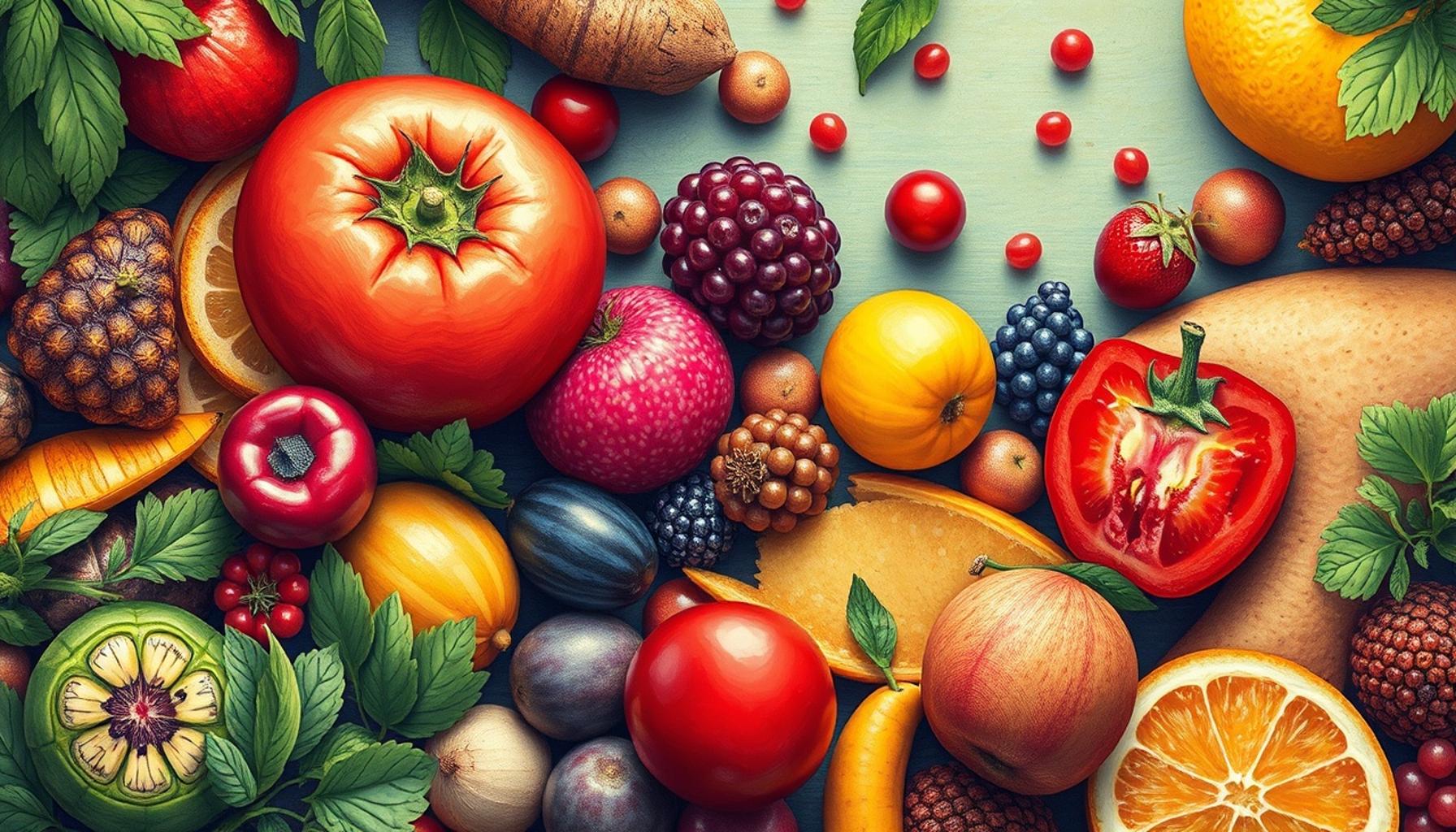
The Secrets Behind Anti-Aging Nutrition and Skin Health
As we navigate through life, the desire for youthful skin becomes a compelling pursuit for many individuals. Although aging is an inevitable biological process, it is crucial to recognize that our lifestyle choices—especially our dietary habits—can drastically impact the way our skin ages. This exploration into the secrets of anti-aging nutrition reveals how specific nutrients can profoundly enhance skin health and vitality.
Essential Nutrients for Vibrant Skin
Research highlights several key nutrients that play a pivotal role in combating the signs of aging:
- Antioxidants: These defenders work tirelessly to protect skin cells from damage caused by free radicals, which are unstable molecules that can arise from pollution, UV exposure, and stress. Foods rich in antioxidants, such as blueberries, green tea, and dark chocolate, not only fight oxidative stress but may also promote a clearer, more radiant complexion.
- Healthy Fats: Omega-3 fatty acids found in fish like salmon, walnuts, and flaxseeds help retain skin moisture and elasticity. These fats are essential for maintaining the skin’s lipid barrier, which prevents transepidermal water loss and keeps the skin plump and hydrated.
- Vitamins: Vitamin C is indispensable for collagen production—the protein that gives skin its structure and elasticity. Fruits such as oranges, strawberries, and kiwi are excellent sources of this vitamin. Vitamin E, on the other hand, aids in skin repair and protection from UV damage, and can be found in nuts, seeds, and green leafy vegetables.
Transforming Your Diet for Youthful Skin
Incorporating these nutrients into your daily diet is a straightforward way to enhance your skin’s vitality. For example, starting your day with a smoothie packed with spinach, banana, and a scoop of flaxseed can set a positive tone for your skin health. Adding a variety of colorful fruits and vegetables to your meals not only provides essential vitamins and minerals but also ensures a diverse intake of antioxidants.
Beyond mere dietary changes, understanding the intrinsic connection between nutrition and skin aging opens up new avenues for proactive skincare. By choosing foods that nourish rather than deplete your skin, you can actively contribute to a more youthful appearance. This inquiry into anti-aging nutrition reveals that what we consume does not just influence our internal health but resonates through our skin, manifesting externally.
Join us in this exploration as we delve deeper into the intricacies of nutrition that can help maintain your skin’s youthful glow, unveiling not just a fresh perspective on eating but a whole new way to embrace aging gracefully.
The Role of Hydration in Skin Aging
While nutrient-rich foods are fundamental to anti-aging nutrition, hydration emerges as a critical yet often overlooked component in the quest for youthful skin. Water constitutes a significant part of our skin structure, and adequate hydration ensures that skin remains supple and resilient. Dehydrated skin can quickly become more prone to fine lines, wrinkles, and dullness, a condition exacerbated by environmental factors and dietary choices.
Experts recommend consuming at least eight 8-ounce glasses of water daily—often referred to as the “8×8” rule. However, individual hydration needs can vary based on activity level, climate, and overall health. Including water-rich foods such as cucumbers, watermelon, and oranges in your diet serves a dual purpose: it keeps hydration levels optimal and infuses your body with essential vitamins and minerals.
The Impact of Sugar on Skin Aging
Another crucial element to consider in the realm of anti-aging nutrition is the consumption of sugar. Research has shown that high sugar intake can accelerate the aging process, primarily through a process called glycation. This process occurs when excess sugar molecules bond to proteins, including collagen and elastin, resulting in the formation of advanced glycation end-products (AGEs). These compounds make the skin less elastic and more prone to wrinkles.
To minimize the adverse effects of sugar on skin health, it’s wise to limit processed foods and beverages high in sugars, opting instead for natural sweeteners like honey or small amounts of fruit. Moreover, introducing low-glycemic foods such as whole grains, legumes, and vegetables can help stabilize blood sugar levels and subsequently promote healthier skin.
The Benefits of Incorporating Fermented Foods
Another intriguing aspect of anti-aging nutrition lies in the benefits of fermented foods for gut health, which directly influences skin condition. A well-balanced gut microbiome supports better nutrient absorption and reduces inflammation—both of which are vital in preventing skin aging. Foods like yogurt, kimchi, sauerkraut, and kefir are rich in probiotics that foster a healthy digestive system.
Emerging research suggests that gut health is intricately connected to skin health, often referred to as the “gut-skin axis.” When the gut is thriving, it can lead to a clearer complexion and a reduction in skin conditions such as eczema and acne. Integrating fermented foods into your daily routine not only enhances your nutrient intake but can also promote a luxurious glow that reflects overall health.
Continuing the Journey Towards Youthful Skin
Navigating the world of anti-aging nutrition offers a wealth of opportunities to improve skin health and delay the inevitable effects of aging. By focusing on hydration, moderating sugar intake, and enhancing gut health through probiotics, you can unleash the transformative power of nutrition. The synergy of these dietary choices lays a foundation for not just more youthful skin, but a healthier lifestyle overall.
As we unearth the secrets to maintaining skin vitality, delve deeper into the specific nutrients that can rejuvenate your skin and discover a holistic approach to aging gracefully. Join us as we explore further dimensions of your diet that can illuminate the path to vibrant, youthful skin.
As we delve deeper into the fascinating world of anti-aging nutrition, it’s essential to recognize the vital role that specific nutrients play in preserving skin health and elasticity. The secrets of anti-aging nutrition are not just a matter of low-calorie diets, but rather a balanced intake of vitamins, minerals, and antioxidants that work synergistically to combat skin aging.
One of the most crucial categories of nutrients in this context is antioxidants. Antioxidants like Vitamin C, E, and A help neutralize free radicals, which are harmful byproducts of cellular metabolism as well as external environmental stressors like pollution and UV radiation. These nutrients are essential for collagen production, the protein responsible for maintaining skin structure and firmness. Foods rich in antioxidants such as berries, nuts, and dark leafy greens are particularly beneficial.
Moreover, essential fatty acids, especially omega-3 fatty acids found in fish, walnuts, and flaxseeds, contribute significantly to skin hydration and suppleness. Omega-3 fatty acids help to strengthen the skin barrier, thus preventing moisture loss and reducing inflammation. They also assist in the regeneration of skin cells, fostering a youthful appearance.
Additionally, Vitamin D plays a pivotal role in skin health. Often referred to as the sunshine vitamin, it not only supports skin cell growth but also helps in immune function. Its deficiency has been linked to various skin disorders. To boost Vitamin D levels, consider dietary sources like fatty fish and fortified foods or even sensible sun exposure.
The incorporation of polyphenols, primarily found in green tea, red wine, and dark chocolate, can also enhance skin health. These compounds combat oxidative stress and have anti-inflammatory properties that can promote a more radiant complexion. Studies have shown that regular consumption of polyphenols can lead to improved skin hydration and elasticity.
To maximize these nutrients’ benefits, maintaining a balanced diet rich in a variety of fruits, vegetables, nuts, and whole grains is essential. This tactic not only aids in preventing aging on the skin but also enhances overall well-being. With the right nutritional strategies, individuals can unveil the secrets to achieving youthful, vibrant skin—a compelling journey worth embarking on.
| Nutrient Category | Key Characteristics |
|---|---|
| Antioxidants | Combat free radicals, enhance collagen production. |
| Omega-3 Fatty Acids | Improve skin hydration, strengthen skin barrier. |
| Vitamin D | Supports skin cell growth, reduces skin disorders. |
| Polyphenols | Provide anti-inflammatory benefits, improve hydration. |
The Power of Antioxidants in Skin Health
In the realm of anti-aging nutrition, antioxidants play a pivotal role in combating skin aging. These powerful compounds protect the skin from oxidative stress, which is primarily caused by free radicals generated from environmental factors such as UV radiation, pollution, and even lifestyle choices like smoking. Antioxidants neutralize free radicals, thereby minimizing their damaging effects on skin cells and collagen structures.
Among the most potent antioxidants, vitamins C and E stand out. Vitamin C, found abundantly in citrus fruits, strawberries, and bell peppers, not only aids in collagen synthesis but also shields the skin from sun damage. Meanwhile, vitamin E, present in nuts and seeds, enhances skin moisture and elasticity. Integrating these vitamins into your daily diet can provide a dual benefit: protecting against environmental damage while promoting a luminous complexion.
Furthermore, beta-carotene, a precursor to vitamin A found in carrots, sweet potatoes, and spinach, is another noteworthy antioxidant. It helps maintain skin health by promoting cell regeneration and providing a natural glow. For those keen on exploring options, consider incorporating a variety of colorful fruits and vegetables into your meals to ensure a broad spectrum of antioxidants.
Essential Fatty Acids for Skin Elasticity
In addition to vitamins and antioxidants, essential fatty acids (EFAs) deserve attention in the conversation about anti-aging nutrition. Omega-3 and omega-6 fatty acids are crucial for maintaining the skin’s lipid barrier, which plays an essential role in retaining moisture and keeping the skin plump and hydrated. A deficiency in these fatty acids can lead to dry, flaky skin and increased susceptibility to wrinkles.
Rich sources of omega-3 include fatty fish like salmon, sardines, and mackerel, along with flaxseeds and walnuts for those seeking plant-based options. Omega-6 can be acquired from vegetable oils, such as sunflower and corn oil. Including a balance of these fatty acids in your diet not only supports skin health but also promotes overall cardiovascular wellness.
The Role of Zinc and Selenium
Other key nutrients that significantly impact skin aging are minerals like zinc and selenium. Zinc, found in pumpkin seeds, chickpeas, and lean meats, is renowned for its role in skin repair and immune function. It aids in the production of new cells and is vital for the healing of wounds, making it essential for maintaining healthy skin. Selenium, present in Brazil nuts and fish, serves as a powerful antioxidant that helps prevent skin damage from UV rays and environmental pollutants. Together, these minerals work synergistically to enhance skin resilience and promote a more youthful appearance.
Understanding how to leverage specific nutrients can empower you on your journey to combat signs of aging. From a colorful plate rich in antioxidants to essential fatty acids that retain moisture, making informed dietary choices can profoundly impact skin health. Stay tuned as we explore additional nutritional secrets that unlock the potential for graceful aging, through the food you consume each day.
Conclusion: Embracing Nutrition for Youthful Skin
As we navigate the complexities of anti-aging nutrition, it becomes increasingly clear that the power to maintain youthful skin lies in our diet. By integrating specific nutrients into our meals, we can actively combat the signs of aging and promote a radiant complexion.
The role of antioxidants, such as vitamins C and E, along with beta-carotene, cannot be overstated. These compounds work diligently to shield our skin from the damaging effects of oxidative stress. Similarly, essential fatty acids, particularly omega-3 and omega-6, support skin elasticity and moisture retention, paving the way for a supple and hydrated appearance.
Moreover, the inclusion of vital minerals like zinc and selenium provides an added layer of protection by fostering skin repair and resilience against environmental aggressors. A holistic approach to nutrition—from colorful fruits and vegetables to healthy fats—can yield remarkable results in our pursuit of graceful aging.
Incorporating these findings into your everyday meals not only nurtures your skin but also fosters a deeper connection with the foods you consume. As you embark on your anti-aging journey, consider this profound connection: the foods that nourish your body also have the power to rejuvenate your skin. To unlock the full potential of these nutrients, explore diverse culinary options, and experiment with new recipes to enhance your diet.
Ultimately, understanding and implementing the secrets of anti-aging nutrition is a vital step towards achieving healthier, more vibrant skin. So take charge of your nutritional choices today, and watch as your skin reflects the care and consideration you put into every bite.

Beatriz
Beatriz Johnson is a seasoned skincare specialist and writer with a passion for simplifying the complexities of beauty science and skincare routines. With over a decade of experience in the aesthetics industry, she specializes in topics like ingredient efficacy, anti-aging strategies, and global beauty trends. Through her work, Beatriz empowers readers to make informed skincare choices and stay ahead in the ever-evolving world of beauty and wellness.